
What That Water Stain Really Means: A Homeowner's Guide
Learn to decode water stains and identify which marks signal minor issues versus emergency plumbing problems before they cost thousands to repair.
Reading the Warning Signs: What Your Water Stains Are Telling You
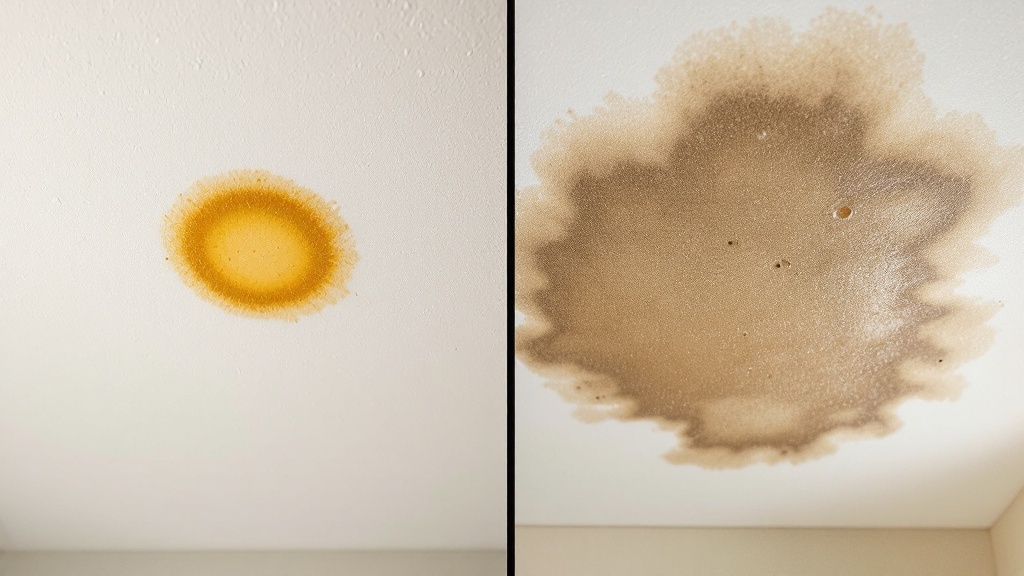
Water stains rarely appear overnight. That discolored patch on your ceiling or the mysterious brown ring on your wall is your home's way of screaming for attention. Understanding what these marks mean can save you from catastrophic pipe failures and expensive structural damage. The color, texture, and location of water stains provide critical clues about the severity of the problem lurking behind your walls.
Small, light-colored stains with crisp edges typically indicate a slow leak that's been contained—perhaps a loose fitting or minor condensation issue. These are your early warnings, the kind that give you time to schedule a repair before it escalates. However, dark brown or rust-colored stains with fuzzy, expanding edges signal active water intrusion. When you see these homeowner tips in action, you're looking at ongoing damage that's spreading through drywall, insulation, and potentially structural components. The timeline matters: a stain that grows visibly over days or weeks means water is actively flowing somewhere it shouldn't be.
Texture changes are equally revealing. If the stained area feels soft, spongy, or begins to sag, you've moved beyond cosmetic problems into structural territory. This indicates prolonged water exposure that's compromising the integrity of building materials. At this stage, emergency prevention becomes critical—what started as a minor plumbing problem has evolved into a situation requiring immediate professional assessment.
Location, Location, Location: Where Stains Appear and What They Mean
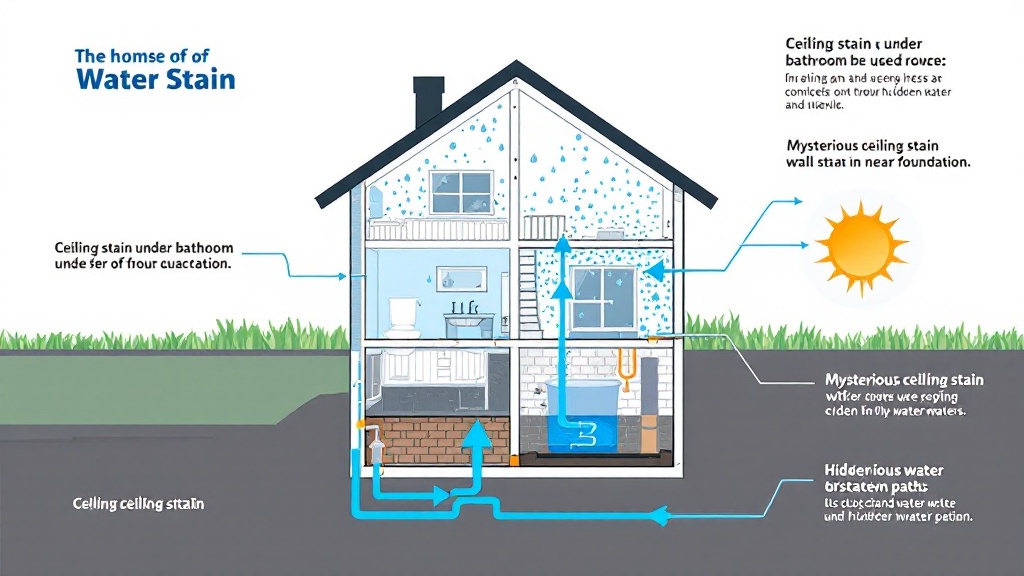
The placement of water damage tells you everything about its source and urgency. Ceiling stains directly below bathrooms or near plumbing fixtures almost always point to leaking pipes, failed wax rings around toilets, or compromised shower pans. These represent contained plumbing problems with identifiable sources—serious, but typically localized. You generally have days to a few weeks to address these before they cascade into larger home maintenance nightmares.
Wall stains near floors, especially on exterior walls, often indicate foundation issues, poor grading, or compromised waterproofing. These are insidious because the visible stain represents only a fraction of the moisture problem. Water may be wicking up through concrete, traveling behind baseboards, and creating perfect conditions for mold growth in hidden cavities. Basement wall discoloration following heavy rain signals drainage problems that will only worsen with time. The timeline here is deceptive—you might have months before visible catastrophe strikes, but the hidden damage accumulates daily.
Perhaps most alarming are stains that appear far from obvious water sources. A discoloration in the middle of a first-floor ceiling with no bathroom above suggests a roof leak that's traveling along rafters or through insulation. Water follows the path of least resistance, meaning the stain's location may be feet away from the actual breach. These require immediate investigation because the longer water travels through your home's structure, the more materials it compromises and the higher your repair costs climb.
Your Action Timeline: From Discovery to Emergency

Time is your most valuable asset when dealing with water damage. The moment you spot a new stain, photograph it and mark the date. Check it daily for the first week—if it's growing, darkening, or the surrounding area feels increasingly damp, you're in active-leak territory and need professional help within 24-48 hours. Even small amounts of ongoing water intrusion can cause thousands in damage once mold establishes itself or structural components begin to rot. This is where emergency prevention becomes your financial safety net.
For stable stains that aren't expanding, you have a slightly longer window, but don't mistake stability for safety. Even old, dried stains indicate that water found a pathway into your home once and can do so again. Schedule an inspection within two weeks to identify and repair the source. Property managers and homeowners alike should document everything—photos, dates noticed, weather conditions—because insurance claims often hinge on proving you acted responsibly upon discovery. The difference between a covered claim and a denied one frequently comes down to your response timeline.
When you need help fast, modern solutions have eliminated the old phone-tag frustration of finding trustworthy plumbers quickly. Instead of frantically Googling at midnight or waiting days for callbacks, platforms like PipeMatch Pro let you post your emergency, see verified local professionals with transparent pricing, and book someone immediately—even at 9 PM when that stain suddenly starts dripping. The app's real-time matching means you're comparing qualified options within minutes, not hoping the first available plumber is both honest and competent. Because when water damage is actively progressing, every hour of delay adds to your repair bill and the structural compromise of your home.